Burst of Power - Kensho
Koans are recorded accounts of Oriental meditation teachers' encounters with each other, and how they dealt with students monks. Today, koans are no longer the private domain of Zen monks. They are now available for anyone to read, and provide a proven starting point on the road to insight into the 'burst of power' that comes with kensho, or 'sudden insight'.
The word kensho combines ken ('to see') and sho ('nature'), and is most often translated as 'seeing one’s (true) nature. This realization is not conceptual but experiential, and is traditionally demonstrated physically in a private interview with a Zen master by way of answer to a koan. There are a select few of these koans that offer a particularly powerful breakthrough in the mind.
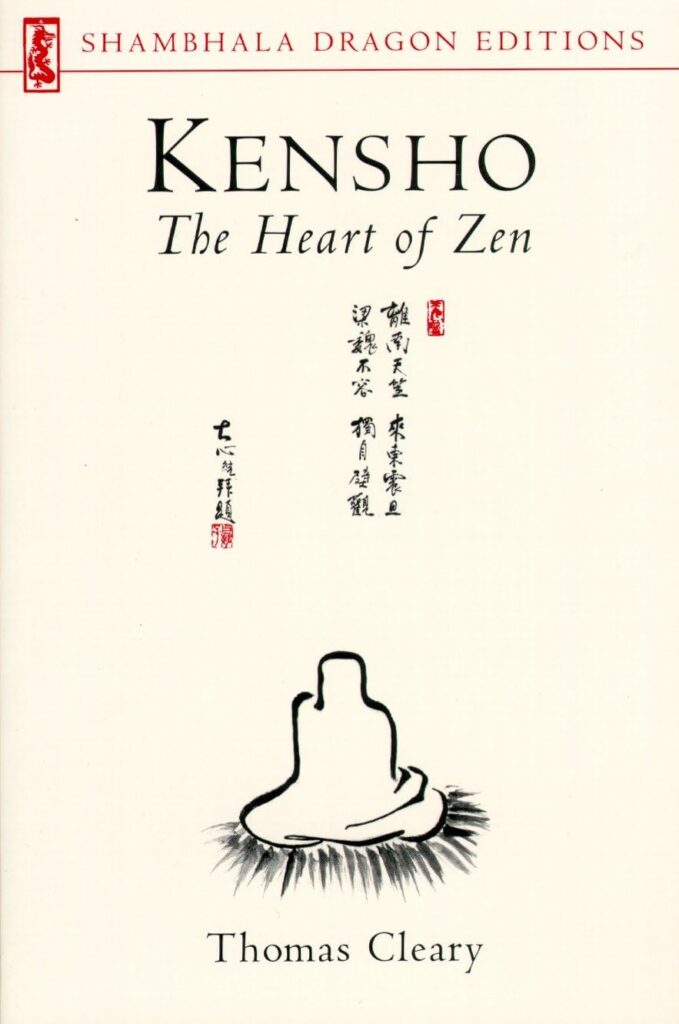
"To study the Self, is to forget the self"
- Dogen Zenji (1200-1253)
"Anyone who would call himself a member of the Zen family must first achieve kensho-realization of the Buddha's way. If a person who has not achieved kensho says he is a follower of Zen, he is an outrageous fraud. A swindler pure and simple."
- Zen Master Hakuin (1689-1769)
Writing
What is less known in the West is that towards the end of their training, monks are also asked to write on a koan. This gives the teacher the opportunity to assess more accurately the student's understanding and how they've integrated it into everyday life situations. The willingness to be authentic, free from spiritual clichés, and share something from the heart is now valued. At first this may feel like unnecessary and scary exposure.
Yet this is exactly what makes it a good way to study koans. Writing is ultimately an expression of the relationship with yourself. It hones the communication of this to others. It is often difficult to start the ball rolling when writing about something with personal meaning, so an encouraging teacher can prove useful. Ultimately however, a person has to do the work themselves, taste the water themselves to see if it is cold or warm.
I offer ongoing guidance and teaching on how to approach writing on Zen koans and how to penetrate some of the more important and rewarding kensho koans. As a Trappist monk I was privileged to undergo a 10-year Zen training, going on to give Zen weekends to abbey guests. I worked with five teachers from different schools to double-check my own kensho/understanding.
"When you try to understand everything, you will not understand anything. The best way is to understand yourself, and then you will understand everything."
- Shunryu Suzuki
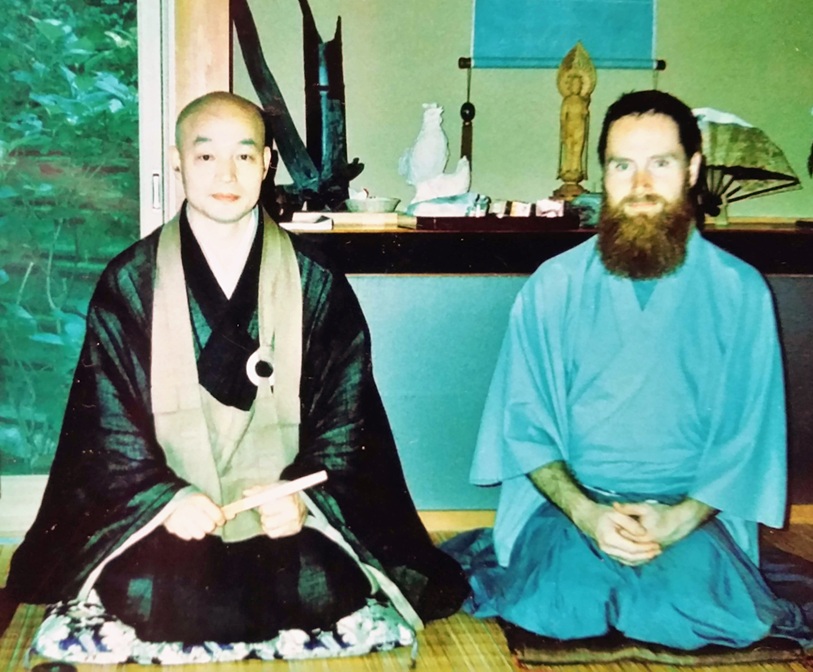
Monastic Interreligious Exchange with Japan, 2005
For more info contact: peers.esq@gmail.com